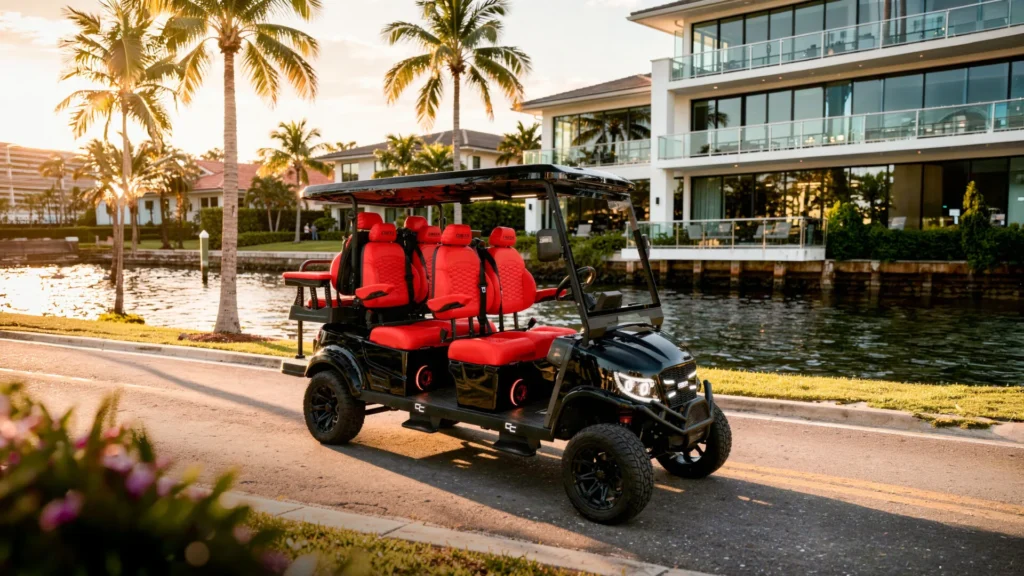
Golf Cart Registration Florida: What You Need to Know Before You Drive
Why Registration Confuses So Many Florida Buyers
Golf cart registration in Florida is one of the most misunderstood parts of ownership. Some carts require registration. Others do not. The difference depends entirely on how the vehicle is classified and where it will be driven.
Many buyers assume that if a golf cart is street legal, it must automatically be registered like a car. That is not always true. In Florida, classification determines the requirement. Understanding that distinction protects you from fines, liability issues, and unnecessary paperwork.
Before you drive on public roads, you need clarity on what type of vehicle you own.
Golf Cart vs Low-Speed Vehicle: The Critical Distinction
In Florida, a traditional golf cart is typically designed for private property or limited roadway use under specific local ordinances. These carts generally do not require registration if they remain within permitted roadways and speed restrictions.
A low-speed vehicle, often referred to as an LSV, is different. An LSV meets federal safety standards and is designed for operation on roads with posted speed limits typically up to 35 mph. Because LSVs are motor vehicles under Florida law, they require registration, a title, insurance, and a valid driver’s license to operate.
If you are unsure whether your vehicle qualifies as an LSV, reviewing official street-legal golf cart requirements is the first step toward clarity.
When Is Golf Cart Registration Required in Florida?
Registration is required when the vehicle meets the legal definition of a low-speed vehicle. This usually means it is capable of speeds between 20 and 25 miles per hour and includes federally mandated safety equipment such as headlights, brake lights, turn signals, mirrors, reflectors, a windshield, seat belts, and a VIN.
If your cart does not meet these criteria and is only driven within approved local streets, it may not require formal registration. However, local municipalities can impose additional rules, so verifying city-specific guidelines is essential.
This is why buyers should consult a knowledgeable dealer before purchasing. A qualified expert can explain whether the cart you are considering requires registration based on intended use.
The Process of Registering a Low-Speed Vehicle
When a vehicle qualifies as an LSV, registration follows a process similar to other motor vehicles. Owners must obtain a title, register the vehicle with the state, and maintain required insurance coverage.
Documentation typically includes proof of ownership, manufacturer certification, and compliance with federal safety standards. Attempting to retrofit a standard golf cart into an LSV without proper documentation can create complications.
For buyers wanting to avoid uncertainty, exploring compliant golf cart models through an authorized dealer simplifies the process from the beginning.
Insurance and Driver Requirements
If your cart qualifies as a low-speed vehicle, insurance is required. Operators must also possess a valid driver’s license. This is another point of confusion, especially for buyers assuming golf carts fall outside normal motor vehicle regulations.
Understanding whether your cart is legally classified as a golf cart or an LSV determines both insurance and licensing requirements. Failing to comply can result in penalties or restricted usage.
If you’re still unsure about classification, it may help to read more about whether golf carts are street legal in Florida before finalizing your purchase.
Avoiding Registration Mistakes
One of the most common mistakes buyers make is purchasing from private sellers without verifying compliance documentation. Without proper VIN assignment and manufacturer certification, registering the vehicle later may be difficult or impossible.
Working with an authorized dealer ensures that the vehicle’s classification, equipment, and paperwork align with Florida standards. If you plan to drive regularly on approved public roads, building your custom cart with compliance in mind from the start is far simpler than attempting modifications later.
Final Takeaway: Know Your Classification Before You Drive
Golf cart registration in Florida depends entirely on how your vehicle is classified and where you plan to operate it. Traditional golf carts used in limited local areas may not require registration. Low-speed vehicles do.
The safest approach is to confirm compliance before purchasing, verify local ordinances, and ensure your cart meets all necessary equipment standards.
If you have questions about registration or classification, contact Costa Carts or find a Costa Carts dealer to get clarity before you take the wheel.
People Also Ask
Do all golf carts require registration in Florida?
No. Only low-speed vehicles that meet federal safety standards require registration.
What is the difference between a golf cart and an LSV in Florida?
An LSV meets stricter federal safety requirements and must be registered, titled, and insured.
Do I need insurance for a street-legal golf cart in Florida?
If it qualifies as a low-speed vehicle, insurance is required.
Can I register a regular golf cart in Florida?
Only if it meets the definition and equipment requirements of a low-speed vehicle.
Recent Posts
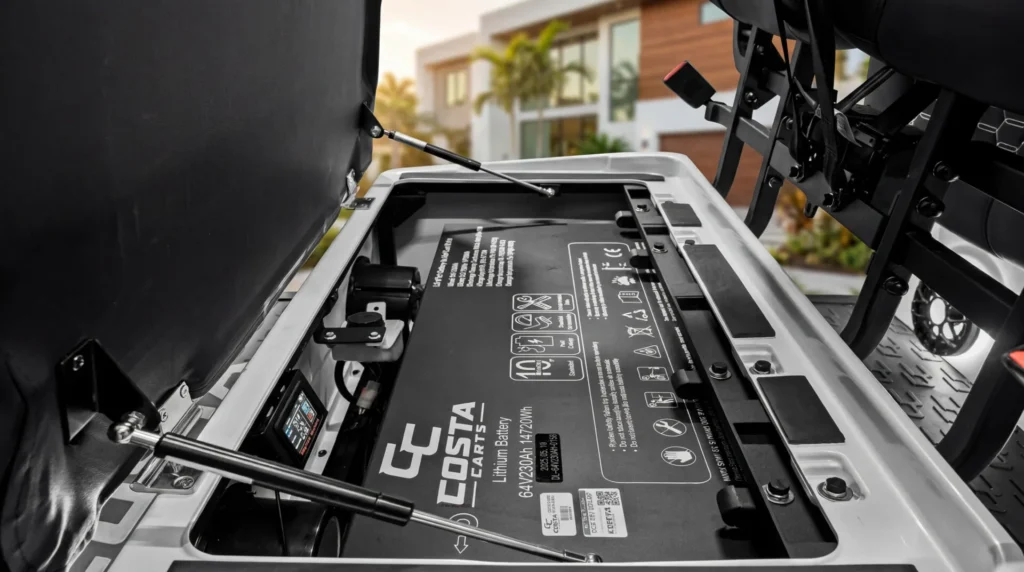
Range Anxiety Isn’t What You Think: How Far Modern Golf Carts Really Go
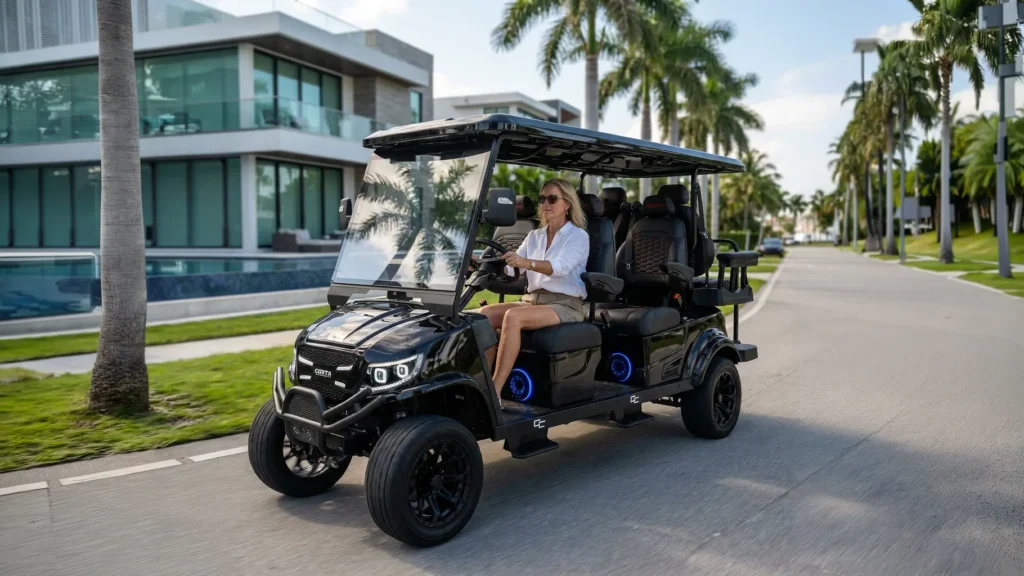
Are Golf Carts the Future of Neighborhood Transportation?
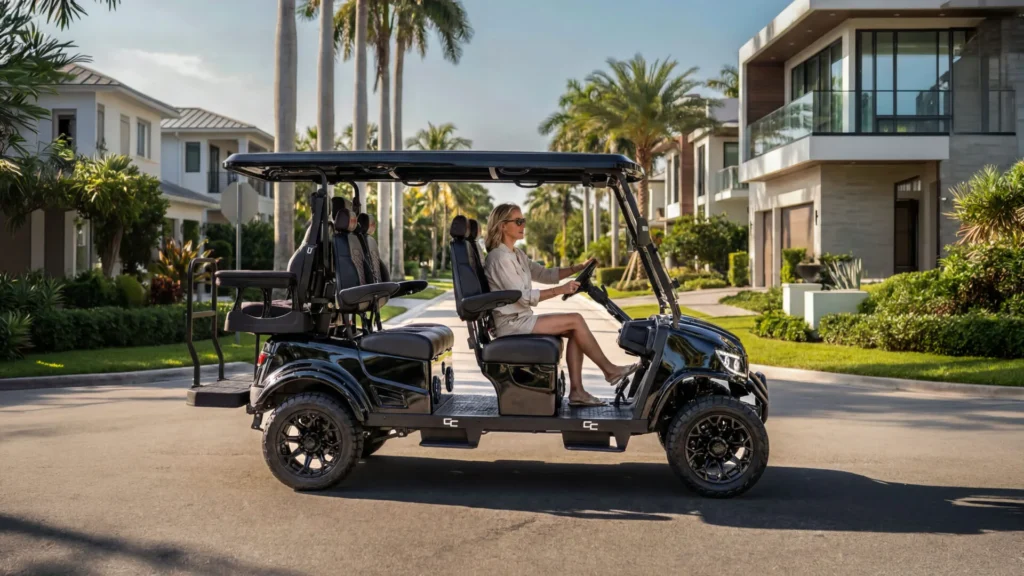
The Rise of Street-Legal Golf Carts in Modern Communities

Sunset Cruising: The Experience That Makes Electric Carts Worth It
Weekend Freedom: How a Costa Cart Changes Your Routine